How Aluminum Foundry methods enhance lightweight durability
Why Heat Therapy Issues: Enhancing the Strength of Aluminum Foundry Components
Warmth therapy plays a vital function in the efficiency of aluminum foundry parts. It alters the microstructure through accurate cooling and heating, leading to boosted mechanical residential properties. Techniques like service warmth treatment and aging add to improved strength and ductility. These advancements are crucial for applications sought after markets. Recognizing the nuances of heat treatment can reveal the trick to achieving optimal performance in aluminum alloys. What elements affect these processes?
The Basics of Warm Treatment in Aluminum Alloys
Warmth treatment plays a crucial duty in boosting the residential or commercial properties of aluminum alloys used in foundry elements. This process includes the application of regulated home heating and cooling to modify the microstructure of the material, which directly influences its mechanical buildings. By changing the crystalline framework, warm therapy can enhance rust, ductility, and toughness resistance.
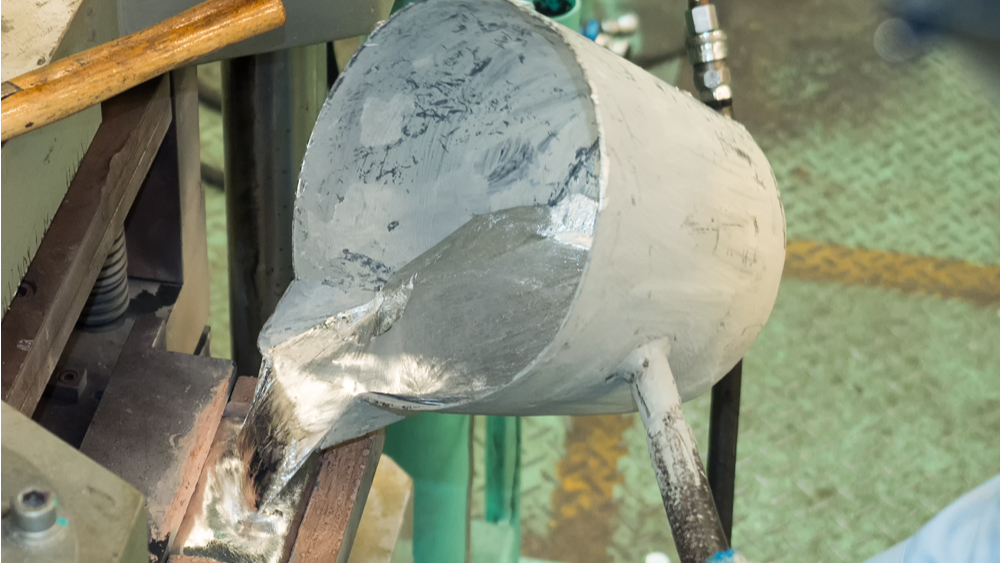
Comprehending the essentials of heat therapy is essential for suppliers aiming to enhance the performance of aluminum parts. By customizing these processes, they can attain certain features required for different applications, guaranteeing that the end product meets sector criteria and performance needs.
Sorts Of Warmth Treatment Procedures
The warmth treatment of aluminum foundry parts encompasses various procedures that greatly affect their mechanical properties. Among these, solution warmth treatment and aging procedures are vital for improving strength and resilience. Comprehending these methods is vital for maximizing the efficiency of aluminum alloys in various applications.
Remedy Heat Therapy
Service warm therapy is an essential process in the production of aluminum foundry elements, aimed at boosting the product's toughness and rust resistance. This procedure entails heating aluminum to a details temperature level, normally between 900 ° F and 1,000 ° F, followed by quick air conditioning, generally referred to as quenching. The heating permits for the dissolution of alloying aspects into a solid option, which is important for accomplishing wanted mechanical properties. By getting rid of impurities and promoting an uniform microstructure, solution heat treatment substantially enhances the product's efficiency in various applications. The quenching step maintains the alloying elements in a supersaturated state, establishing the stage for succeeding therapies. This technique is essential for maximizing the features of aluminum parts used in requiring settings.
Aging Procedures Clarified
Adhering to solution heat therapy, aging processes play an essential role in more improving the properties of aluminum foundry parts. Aging can be classified right into 2 major kinds: natural aging and fabricated aging. Natural aging happens at space temperature, allowing the alloy to age gradually over time, which can lead to improved toughness and firmness. In comparison, synthetic aging involves warming the material to a particular temperature level for a specified duration, speeding up the aging procedure and achieving preferred mechanical homes extra swiftly. The moment and temperature criteria throughout man-made aging are vital, as they influence microstructural changes that enhance toughness. Comprehending these maturing processes is basic for optimizing the efficiency of aluminum components in numerous applications.
The Impact of Warm Treatment on Mechanical Qualities
Warmth treatment greatly affects the mechanical properties of aluminum alloys by boosting their stamina and resilience. The process customizes the microstructure, resulting in improvements in performance attributes. Furthermore, the thermal cycle utilized during warmth therapy plays a necessary role in identifying the final buildings of the product.
Enhancing Aluminum Alloys
As aluminum alloys undergo warm treatment, their mechanical residential properties can considerably enhance, improving toughness and resilience. This process normally involves option aging, treatment, and quenching, each playing a vital role in modifying the alloy's characteristics. During service treatment, alloying elements liquify, developing a homogeneous structure - Aluminum Casting Company. Fast quenching avoids early precipitation, preserving the alloy's improved homes. Aging, whether all-natural or man-made, allows for controlled precipitation of reinforcing stages, even more boosting hardness and tensile stamina. The resulting improvements in mechanical properties make it possible for aluminum alloys to endure better tons, resist deformation, and display exceptional exhaustion resistance. Consequently, heat-treated aluminum alloys are important in applications demanding high strength-to-weight proportions, such as aerospace, automobile, and structural elements, where performance and integrity are critical
Microstructure Adjustment Consequences
When aluminum alloys go through warmth treatment, the modifications in their microstructure greatly influence their mechanical homes. Warmth treatment processes such as annealing, solutionizing, and aging bring about the dissolution of alloying aspects and the formation of precipitates. These adjustments boost ductility, strength, and durability. Throughout solutionizing, the consistent circulation of alloying components takes place, which is essential for accomplishing optimal mechanical performance. Aging advertises the precipitation of great bits that obstruct dislocation motion, significantly enhancing return toughness. In enhancement, the refinement of grain framework during warm therapy adds to improved mechanical homes by improving the alloy's resistance to deformation. Ultimately, the controlled microstructural modifications achieved with warm treatment allow aluminum foundry parts to meet details performance requirements in numerous applications.
Thermal Cycle Significance
The relevance of the thermal cycle in warm therapy can not be overemphasized, as it straight affects the mechanical buildings of aluminum foundry parts. A well-optimized thermal cycle allows specific control over temperature level and time, helping with the wanted stage makeovers within the metal matrix. This procedure improves stamina, ductility, and sturdiness by advertising consistent microstructure and decreasing recurring stress and anxieties. By very weblink carefully adjusting the heating & cooling prices, producers can achieve better firmness and exhaustion resistance, critical for high-performance applications. In addition, the thermal cycle aids in the dissolution of alloying aspects, making sure ideal distribution and improving general material properties. Consequently, understanding and executing the best thermal cycle is necessary for making the most of the efficiency of aluminum components sought after environments.
Warmth Therapy and Its Duty in Anxiety Relief
Stress relief through warmth therapy is an essential process in the manufacturing of aluminum foundry elements, ensuring ideal efficiency and long life. This strategy properly lowers residual stresses that collect during casting and machining procedures. By subjecting elements to regulated home heating adhered to by cooling, warmth therapy promotes the redistribution of inner anxieties, which can lead to dimensional instability and early failing if left unaddressed.
The process not only improves the mechanical properties of aluminum yet additionally boosts its exhaustion resistance, making it a lot more appropriate for requiring applications. Certain temperature level ranges and soaking times are very carefully picked to accomplish ideal tension alleviation without jeopardizing the product's honesty.
Ultimately, understanding the duty of heat therapy in stress relief is important for makers aiming to generate high-grade aluminum components. By properly taking care of recurring anxieties, they can improve product integrity and expand the service life of their offerings in various commercial applications.
Customizing Warm Therapy for Specific Applications
Tailoring warm treatment procedures to specific applications requires a deep understanding of both the product homes and the operational needs of the end product. Different aluminum alloys exhibit varying reactions to heat treatment, demanding a personalized approach for peak performance. For example, components subjected to high-stress environments may gain from maturing therapies that improve strength and solidity, while those exposed to destructive problems may need therapies that boost surface honesty and resistance.
Furthermore, aspects such as cooling prices and temperature profiles can be readjusted to attain wanted mechanical homes like ductility and tiredness resistance. By considering the planned use the component, engineers can choose appropriate warmth treatment techniques-- such as option heat dealing with, relieving, and aging-- to satisfy particular efficiency standards. This tailored strategy not just ensures that the parts operate successfully under their designated problems original site yet likewise optimizes their long life and dependability in demanding applications.
Quality Assurance in Warmth Treatment Procedures
Guaranteeing the high quality of heat therapy procedures is crucial for accomplishing the desired material buildings and efficiency characteristics in aluminum foundry elements. Strenuous quality assurance steps should be implemented throughout the warmth therapy cycle to maintain consistency and dependability. This consists of regular tracking of temperature, time, and environment during processes such as annealing, aging, and quenching.
Employing innovative techniques, such as information and thermocouples loggers, allows for precise temperature level control and confirmation. Additionally, sampling and testing of materials post-treatment can give insights right into mechanical properties, such as tensile strength and ductility.
Implementing standard operating treatments ensures that all workers follow best methods, decreasing irregularity. Documentation of each heat treatment set is crucial for traceability, enabling identification and remediation of any kind of issues. Overall, a detailed quality assurance program is vital for enhancing the efficiency and longevity of aluminum foundry parts.
Future Trends in Aluminum Warmth Therapy Techniques
The future of aluminum warm treatment methods is poised for substantial developments, driven by technologies in innovation and raising needs for boosted material performance. Arising techniques such as additive manufacturing and advanced robotics are anticipated to revolutionize warm treatment procedures, enabling a lot more precise control and modification. The integration of man-made knowledge and artificial intelligence will make it possible for anticipating analytics, enhancing warmth treatment cycles for efficiency and performance.
Furthermore, developments in furnace technology, consisting of energy-efficient styles, will certainly reduce carbon impacts while preserving top quality output. The advancement of alternative warmth resources, such as induction home heating, supplies much faster and extra uniform heating, further improving mechanical properties.
Continuous research study right into unique alloy structures and warm therapy combinations assures to disclose new performance capabilities, catering to markets such as aerospace and automobile. Jointly, these trends will improve the adaptability and application of aluminum elements, meeting future commercial needs.
Frequently Asked Inquiries
Exactly How Does Heat Treatment Affect the Expense of Aluminum Parts?
Heat treatment additional resources can raise the price of aluminum elements as a result of the added energy, equipment, and labor needed. Nevertheless, the resulting boosted stamina and performance might justify the preliminary investment for many applications.
What Safety And Security Safety Measures Are Required Throughout Warmth Therapy Processes?
During warm therapy processes, crucial safety preventative measures consist of using protective gear, guaranteeing correct air flow, checking devices temperatures, managing materials very carefully to avoid burns, and preserving a safe range from heat resources to alleviate fire dangers.
Can Heat Treatment Be Turned Around if Required?
Heat treatment procedures generally can not be turned around. Once the material goes through structural adjustments, specifically in aluminum, restoring it to its initial state is commonly impossible, limiting alternatives for adjustments or repairs post-treatment.
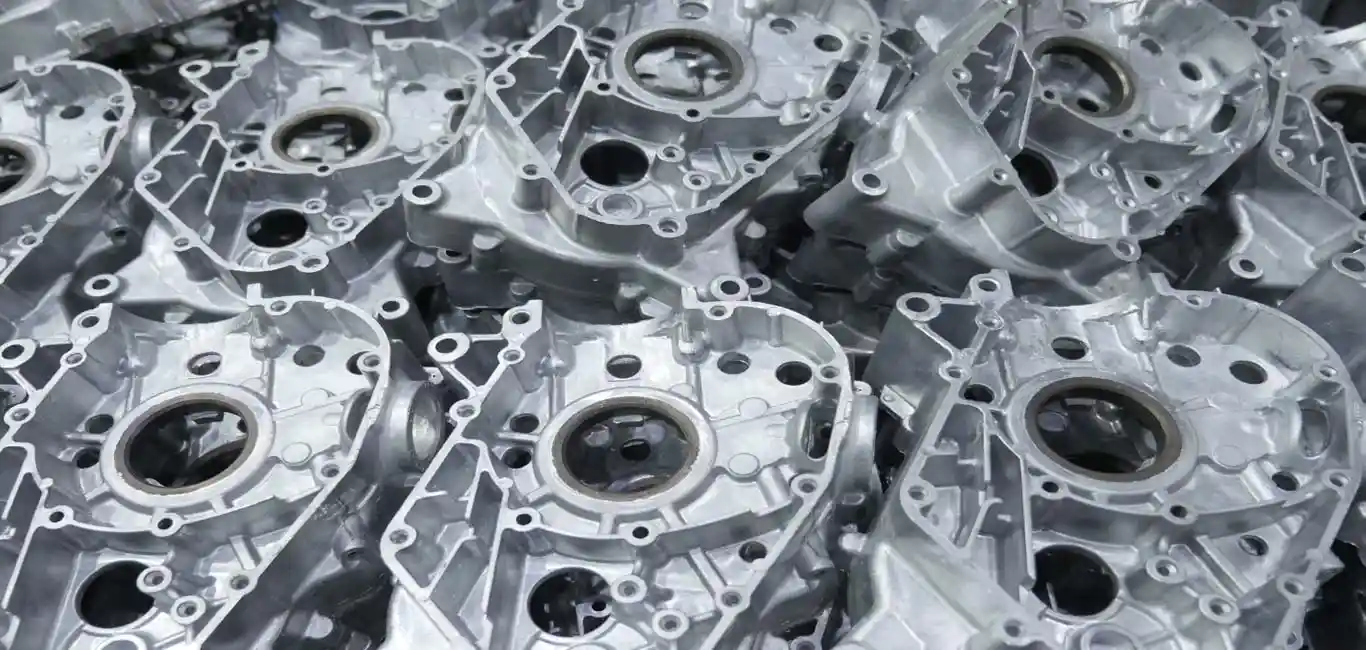
Just How Does Aluminum Alloy Make-up Influence Warmth Therapy Outcomes?
Aluminum alloy structure considerably affects heat therapy end results, as various alloying components and focus affect phase security, mechanical residential properties, and response to thermal procedures, eventually figuring out the efficiency of enhancing and efficiency improvements achieved via therapy.
What Industries Benefit The Majority Of From Heat-Treated Aluminum Components?
Aerospace, auto, and construction sectors profit considerably from heat-treated aluminum parts (Aluminum Casting Company). These industries use boosted toughness and lightweight properties, improving efficiency and efficiency in various applications, including frameworks, automobiles, and equipment, ensuring safety and security and sturdiness
Aluminum alloys generally go through processes such as option warm therapy, where the alloy is heated up to dissolve soluble components, followed by quick cooling, which locks the aspects in area. The warm treatment of aluminum foundry elements incorporates numerous processes that significantly affect their mechanical properties. Following solution heat therapy, maturing procedures play an essential function in further enhancing the residential or commercial properties of aluminum foundry elements. By thinking about the planned use of the part, designers can pick proper warmth treatment methods-- such as option warmth dealing with, quenching, and aging-- to meet details efficiency requirements. Assuring the high quality of warmth therapy procedures is necessary for achieving the desired product residential or commercial properties and performance features in aluminum foundry parts.